Production
Why Manual Podcast Production Scheduling Breaks at Scale
At 3 shows, you can manage post-production in a spreadsheet. At 12, that same spreadsheet is costing you 6 hours a week just in coordination overhead.
Practical writing on the business of running a podcast network: production efficiency, listener retention, analytics that inform greenlight decisions, and the social clip workflows that actually drive subscriber growth.
At 3 shows, you can manage post-production in a spreadsheet. At 12, that same spreadsheet is costing you 6 hours a week just in coordination overhead.
Spotify wants -14 LUFS. Apple wants -16. YouTube wants -14. If your shows sound inconsistent, this is probably why.
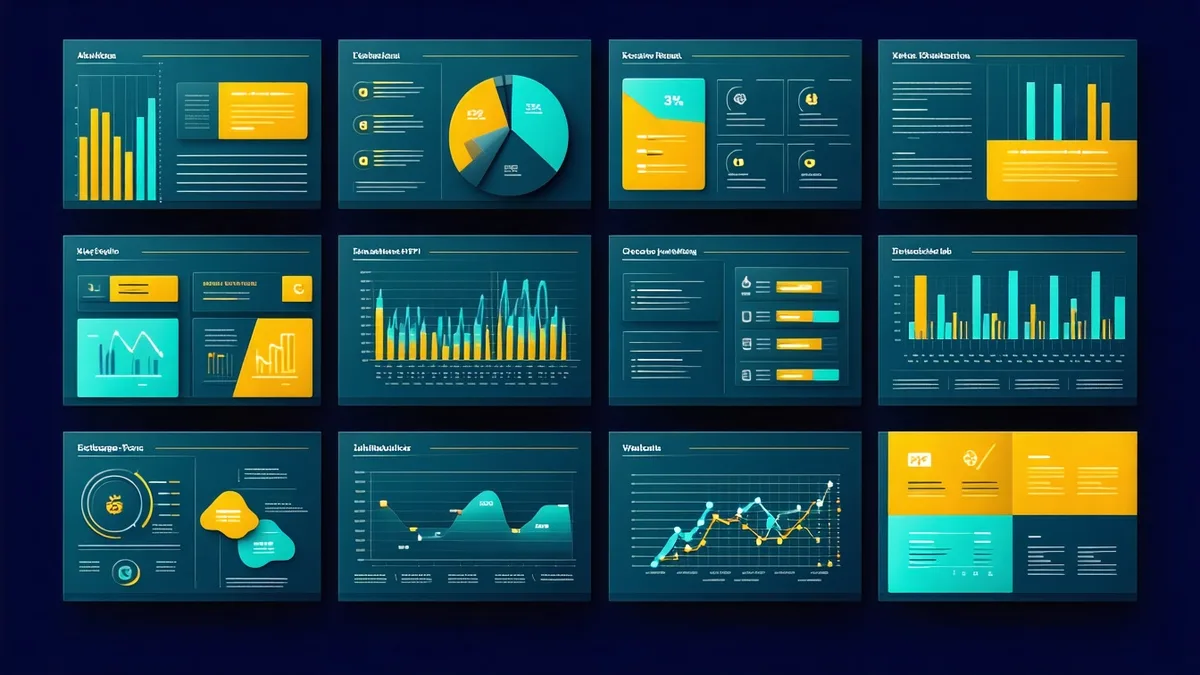
Retention curves are the most underused metric in podcast analytics. Here's how to read them and act on what they show.
Most social clips fail because producers pick by feel. We analyzed 40,000 clips to find what actually predicts subscriber conversion.
How one network consolidated 9 dashboard tabs into one view — and what they learned about what actually drives decisions.
We tested listener perception with and without filler word removal across 6 shows. The findings were more nuanced than we expected.
Subscriber churn is predictable 3–4 weeks before it shows in download numbers. Here's the signal pattern we look for.
A practical guide to piping Podvynt analytics data into BigQuery or Snowflake alongside your other business metrics.
Running 12 shows is not the same as running 1 show 12 times. Here's where the workflow breaks down — and how to fix it.
YouTube Shorts, Instagram Reels, and TikTok each behave differently for podcast clips. Here's what we've learned from 40K+ clips published.
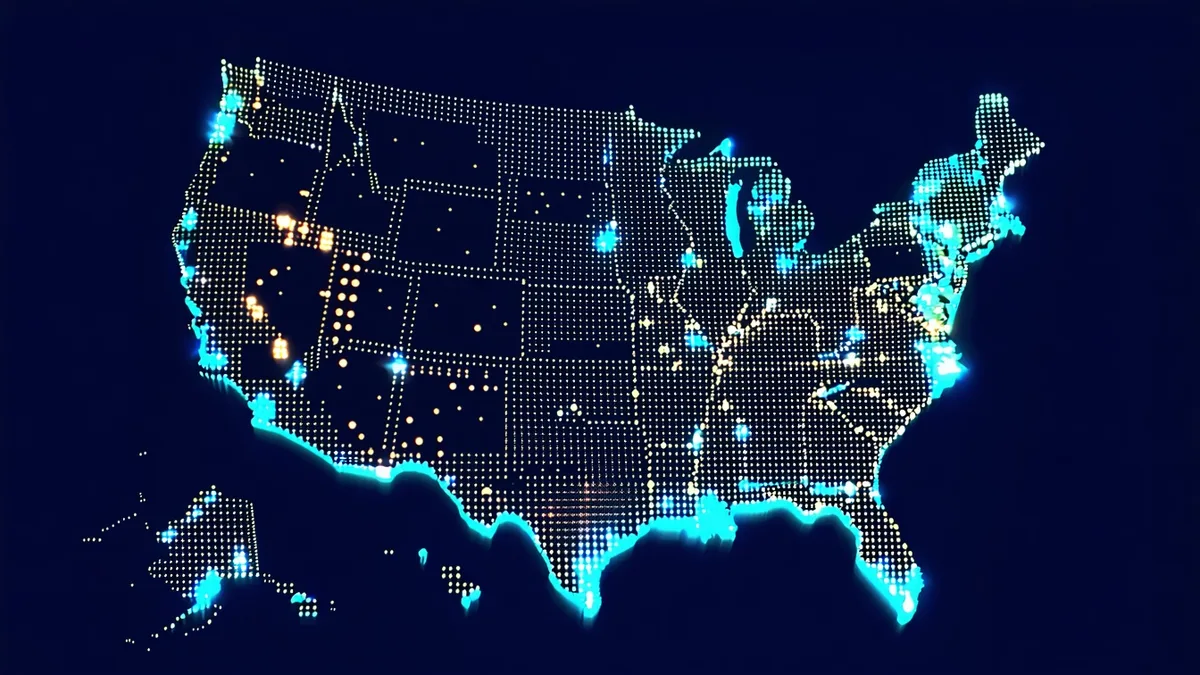
Your listener map is more valuable than you think. How networks use geographic concentration data to plan events and pitch regional advertisers.
We ran 200 episodes through both processes and had a panel of audio engineers compare the results blind. Here's what we found.
Network operators used to greenlight shows on instinct. The best ones now use existing audience data to de-risk new show launches.